Golden Oyster - Rich in Ergothieoneine and Beta Glucans
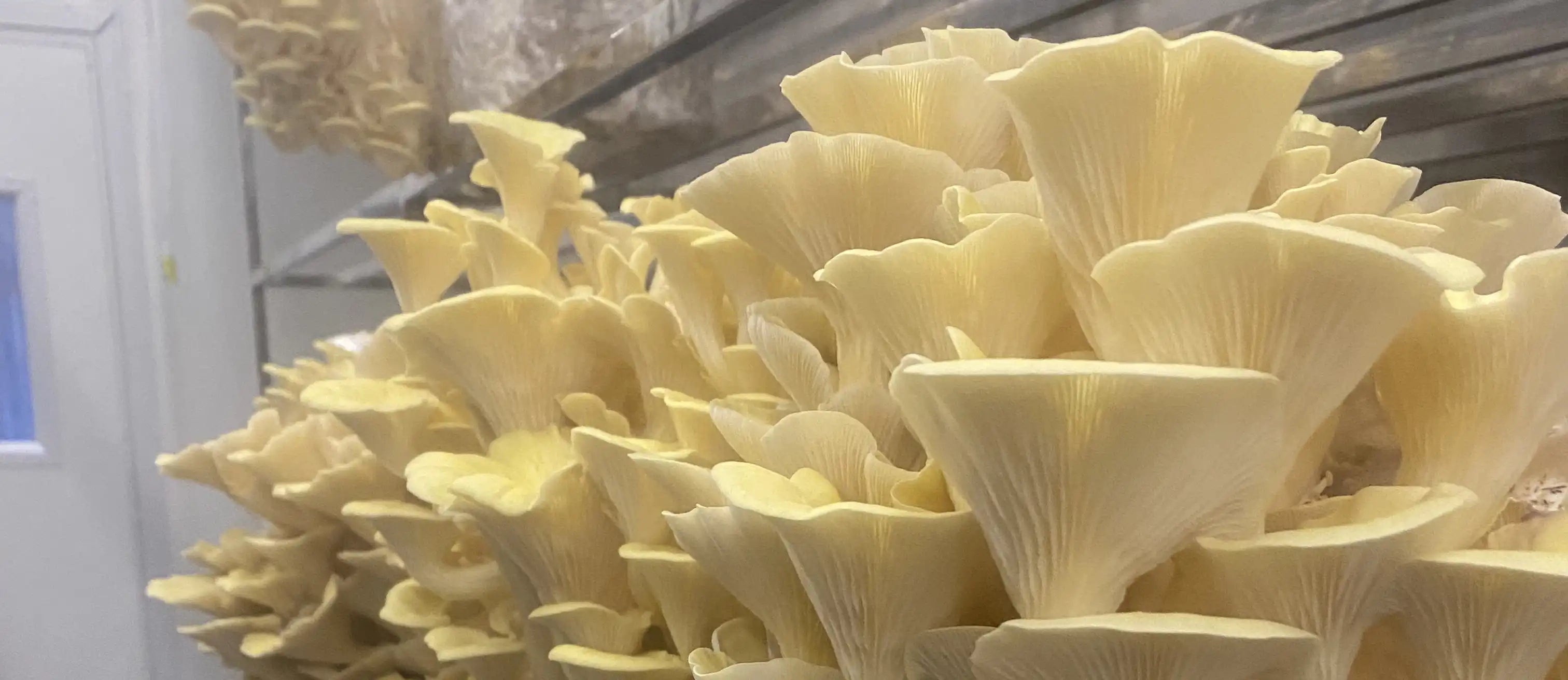
GOLDEN OYSTER (Pleurotus citrinopileatus)
ESSENTIAL NOTES ON PLEUROTUS CITRINOPILEATUS
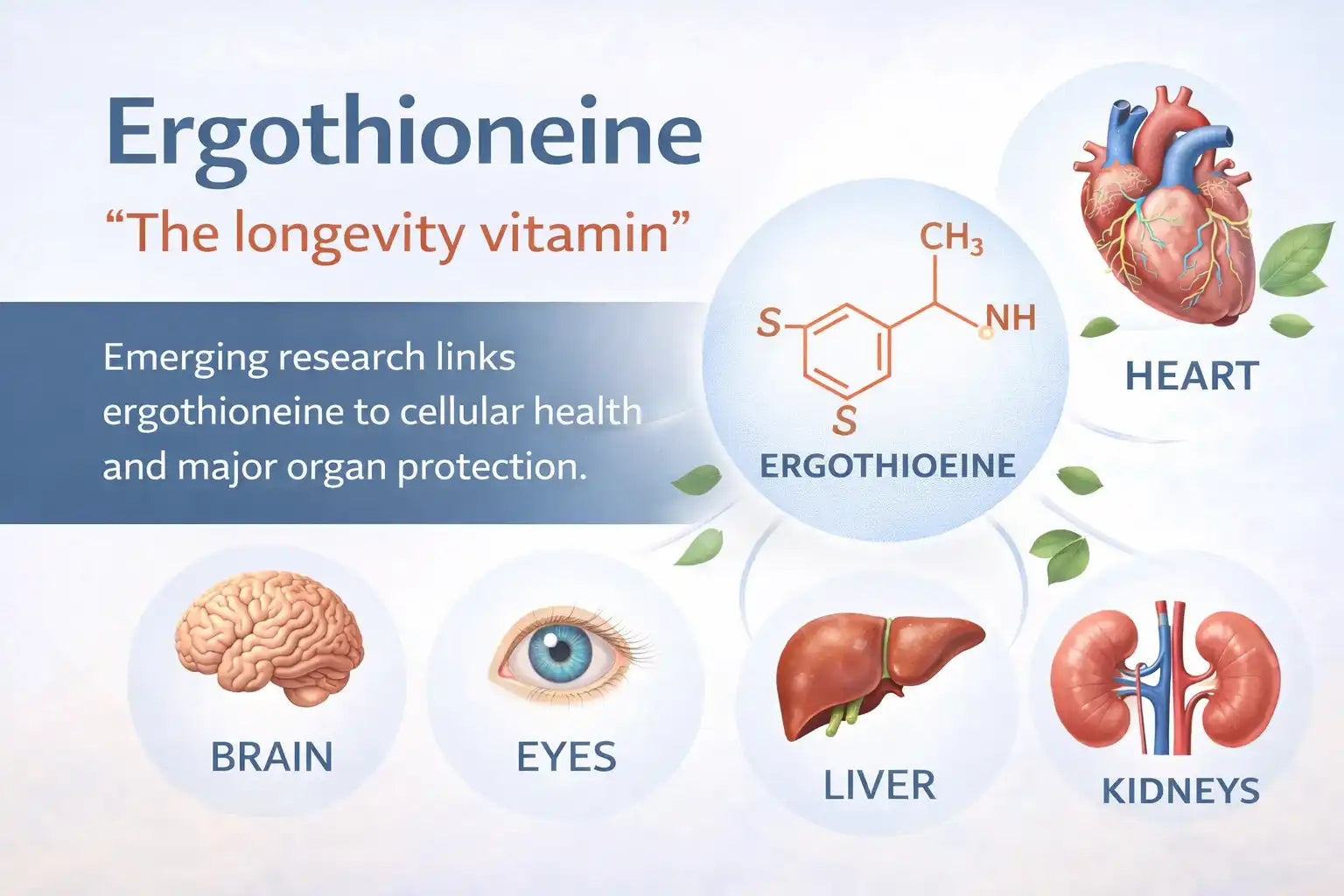
Mycotherapists recognise Pleurotus citrinopileatus, commonly known as the Golden Oyster mushroom, as a vibrant and functionally significant species within the Pleurotus genus. Distinguished by its striking golden-yellow caps and delicate structure, this mushroom is increasingly valued not only for its culinary appeal but for its rich concentration of bioactive compounds – most notably ergothioneine, a unique antioxidant amino acid associated with cellular protection and healthy ageing.
Golden Oyster mushrooms contain an array of beneficial biomolecules, including β-glucans, essential minerals, and phenolic compounds that contribute to immune modulation and oxidative balance. Emerging research across nutritional science and functional foods highlights ergothioneine’s role as a potential “longevity nutrient”, with mushrooms recognised as the primary dietary source. Within this context, Golden Oyster is gaining attention as a species that may offer enhanced ergothioneine levels when cultivated under optimised conditions.
At OMG Mushrooms, Golden Oyster mushrooms are cultivated with intention – focusing on growing conditions, substrate enrichment, and post-harvest handling to preserve their whole-food integrity and naturally occurring compounds. As interest in Mycotherapy continues to expand, P. citrinopileatus stands alongside other valued Pleurotus species as both a gourmet and functional mushroom of significance.
FUNCTIONAL FOOD
Mycotherapists highlight the Golden Oyster mushroom as a true example of a modern functional food, bridging traditional use with contemporary scientific understanding. Like other Pleurotus species, it contains structurally complex polysaccharides, including β-glucans, which are known to support immune system regulation and gut microbiota balance.
What distinguishes Golden Oyster mushrooms is their emerging relevance in ergothioneine research. Ergothioneine is transported into the body via a specific transporter (OCTN1), suggesting a unique biological role in protecting cells from oxidative stress and environmental damage. This has led to growing interest in its application across healthy ageing, cognitive support, and overall cellular resilience.
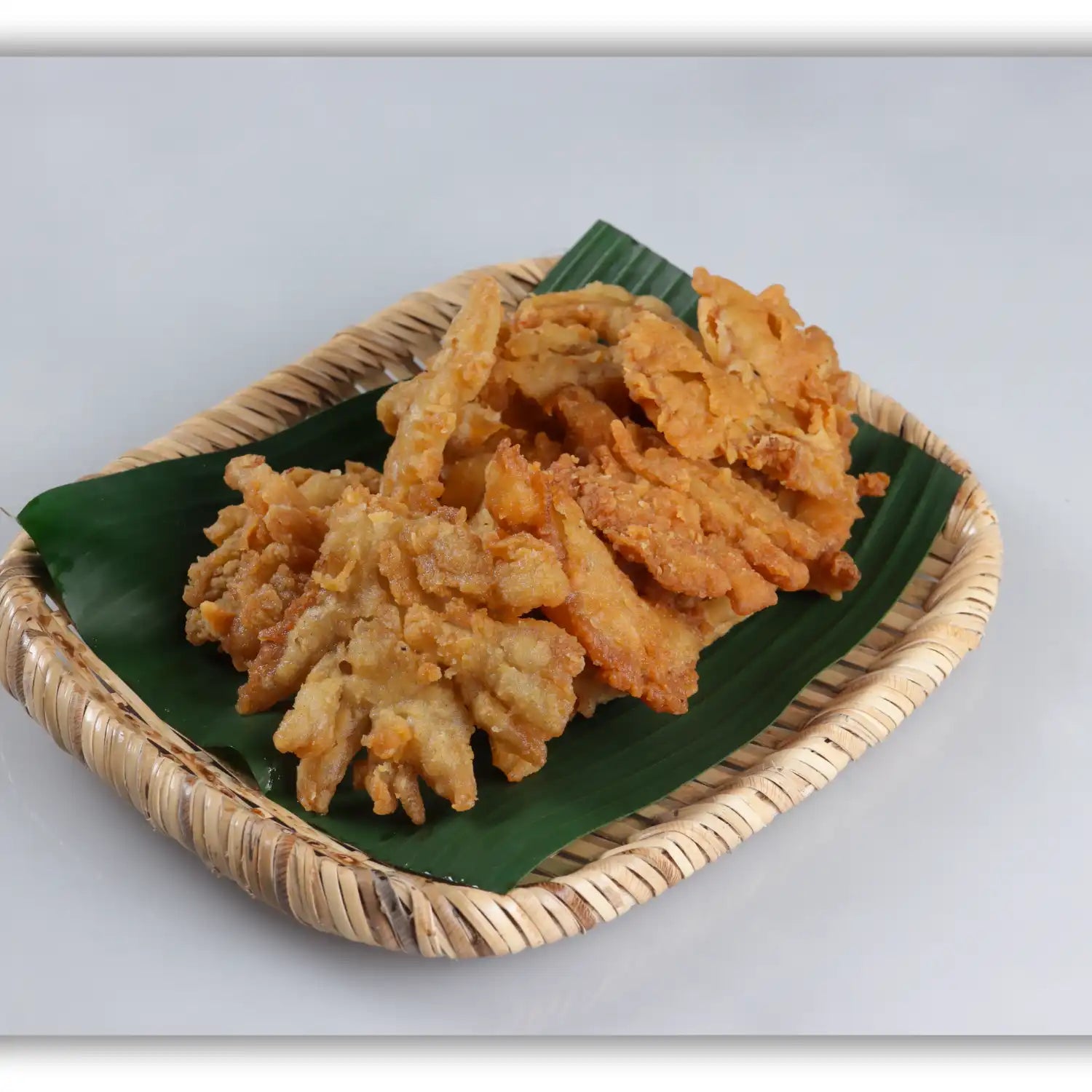
While Golden Oyster mushrooms can be enjoyed fresh, the use of dried or powdered forms allows for a more concentrated and consistent intake of these beneficial compounds. Incorporating Golden Oyster mushroom powder into daily nutrition – whether in beverages, meals, or functional blends – offers a convenient way to integrate Mycotherapy into modern lifestyles.
FUN FACTS
Golden Appearance: Golden Oyster mushrooms are instantly recognisable by their bright yellow to golden caps, making them one of the most visually striking mushrooms in the culinary world.
Fast Growing Species: Known for their rapid growth cycle, Golden Oysters are one of the quickest Pleurotus species to cultivate, often producing abundant clusters in a short period.
Delicate Flavour Profile: They offer a mild, slightly citrusy flavour with a soft texture, making them ideal for light sautés and gourmet dishes.
MYCOLOGICAL NOTES
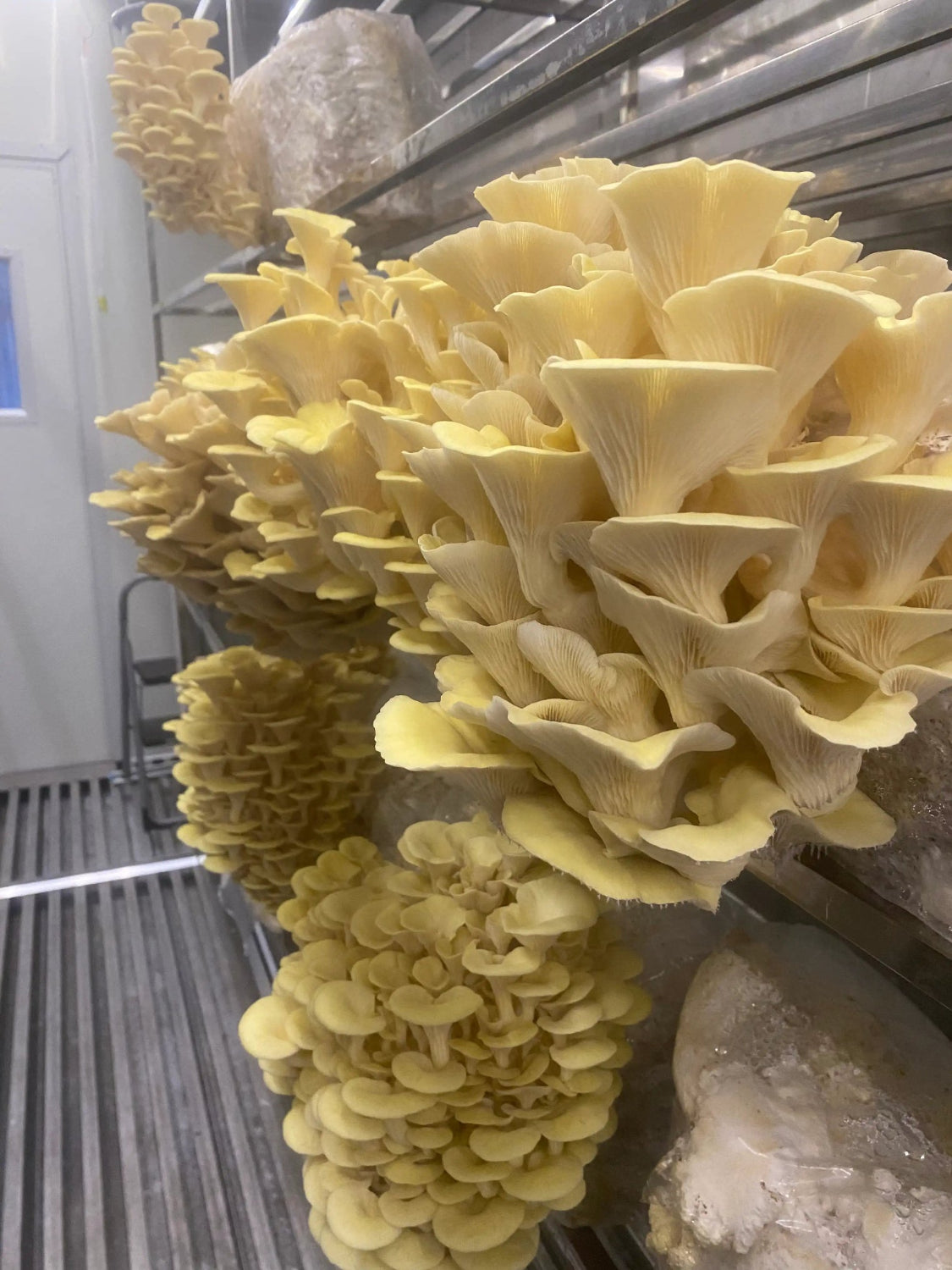
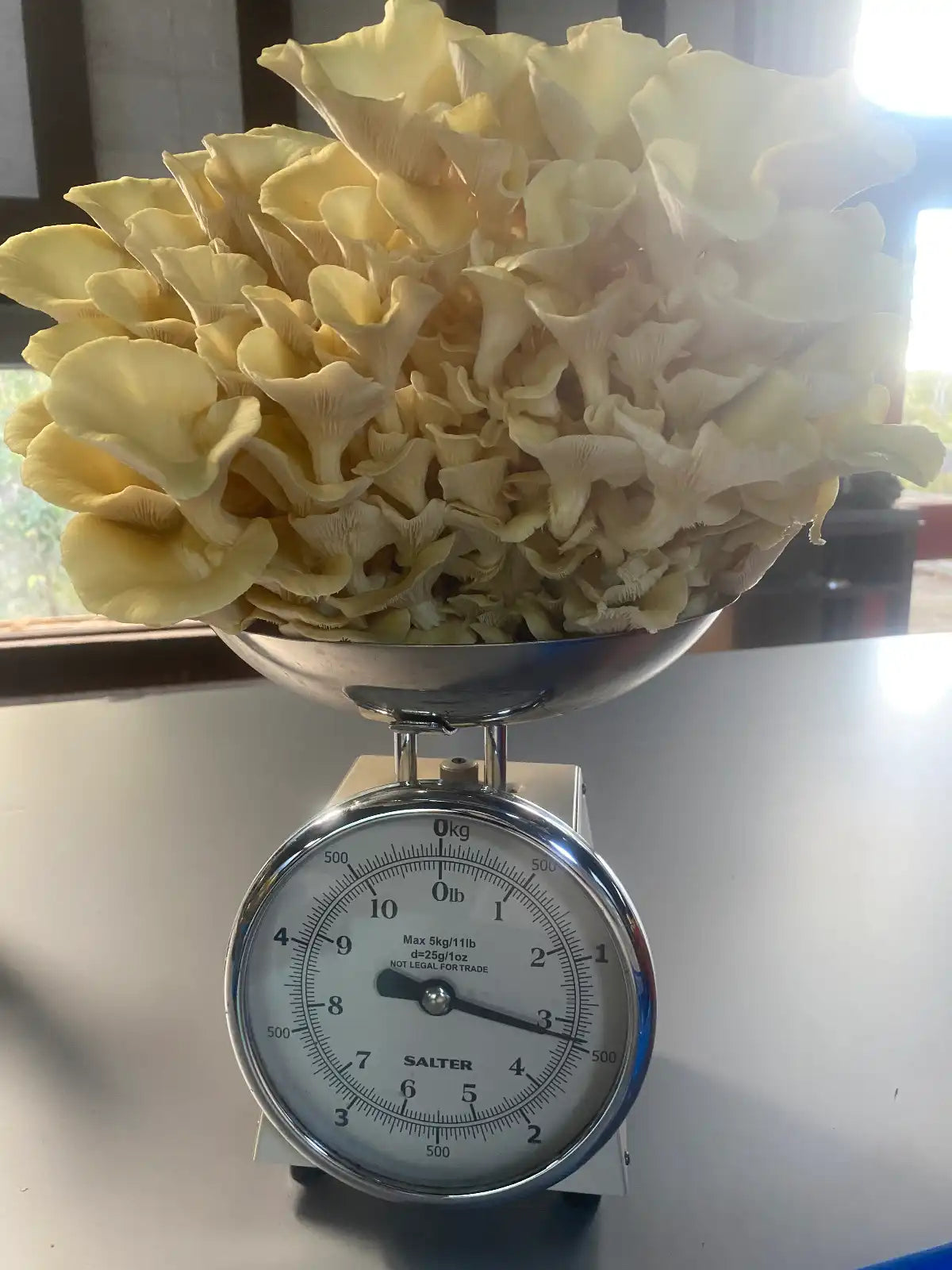
Golden Oyster mushrooms (Pleurotus citrinopileatus) form dense clusters of delicate, funnel-shaped caps typically ranging from 2 to 6 cm in diameter. Their vivid yellow to golden colour gradually softens with age. The gills are decurrent, running down slender stems, and the flesh is thin, tender, and pale in colour.
Unlike the thicker, meatier structure of King Oyster mushrooms, Golden Oysters are more fragile, with a shorter shelf life in fresh form. This characteristic makes drying an ideal preservation method, helping retain both flavour and nutritional compounds, including ergothioneine. Their morphology and growth behaviour align closely with other Pleurotus species, though their colour and rapid colonisation distinguish them within the genus.
GROWN WORLDWIDE
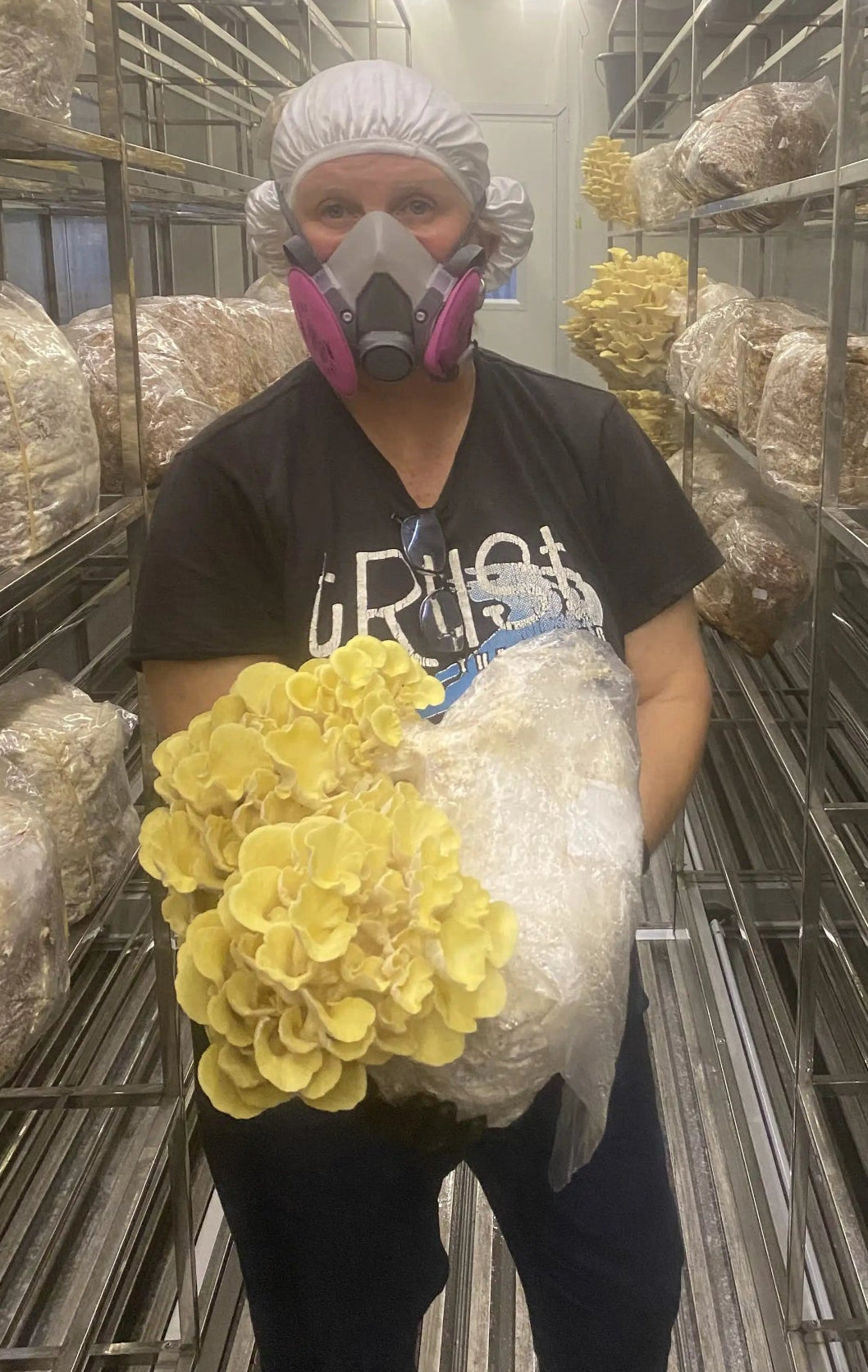
Golden Oyster mushrooms are cultivated globally, with increasing interest across Australia, Europe, Asia, and North America. Their adaptability to a variety of lignocellulosic substrates – including agricultural by-products – makes them a sustainable and efficient crop for both small-scale and commercial growers.
Recent scientific attention has expanded beyond culinary use, exploring their biochemical composition and potential applications within nutraceuticals and functional foods. Particular focus has been placed on optimising cultivation conditions to enhance ergothioneine content, recognising that not all mushrooms – or growing methods – yield equivalent levels of this valuable compound.
At OMG Mushrooms, cultivation practices are carefully considered to support both yield and nutrient density, aligning with a whole-system approach to Mycotherapy and functional food production.
A HEALTHIER YOU
Incorporating Golden Oyster mushrooms into your daily routine offers a simple and natural way to support overall wellbeing. Whether consumed as a gourmet ingredient, dehydrated or as a concentrated powder, this species provides a rich source of functional compounds, including β-glucans and ergothioneine, that contribute to immune health, oxidative balance, and cellular support.
As part of a balanced lifestyle, Golden Oyster mushrooms represent more than just nutrition – they reflect a growing appreciation for mushrooms as allies in health. Through the lens of Mycotherapy, they offer a gentle yet powerful way to reconnect with whole-food, nature-based wellness.